
Fall Curb Appeal That Doesn't Involve a Single Pumpkin (and a Few That Do)Fall is the easiest season to make a house look good from the street. The light gets warmer, the yard stops demanding

Dated: March 9 2026
Views: 51
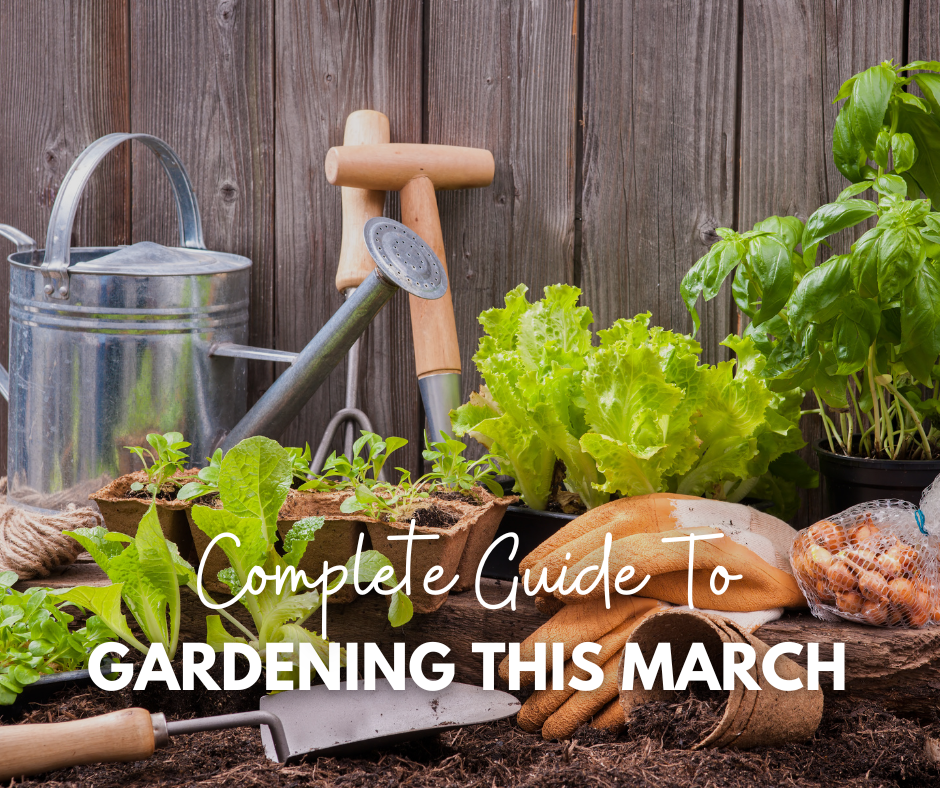
Fresh Starts: Your March Planting Guide
March carries a quiet sense of promise. The days are getting longer, sunlight feels stronger, and you can almost sense your yard preparing to wake up. While it may not be full planting season just yet, what you do now lays the groundwork for a vibrant spring and summer ahead.
In cooler climates, March is about preparation, patience, and smart early moves.
Hold Off on Heavy Pruning
After a long winter, many shrubs and perennials can look brittle or weathered. It’s tempting to cut everything back immediately, but early-season growth can be easily damaged if temperatures dip again.
Before pruning, check stems for signs of life. Scratch the surface lightly — green beneath the bark indicates living tissue. Wait until consistent mild weather settles in before removing larger sections of growth.
Pruning at the right time protects new buds and prevents unnecessary stress on plants that are just beginning to transition out of dormancy.
Rebuild and Refresh Your Soil
Winter snow, ice, and freezing temperatures can compact soil and reduce oxygen flow to roots. March is the ideal time to gently loosen garden beds once the ground is workable.
Incorporate compost or organic matter to restore nutrients and improve structure. Avoid working soil while it’s overly wet, as that can cause further compaction.
If you want precise recommendations, your local university agricultural extension can provide soil testing and region-specific planting calendars tailored to your area. Their guidance helps ensure you’re adding the right amendments at the right time.
Healthy soil now supports stronger growth once planting season fully begins.
Start Cool-Season Crops and Indoor Seeds
While it may be too early for tender vegetables outdoors, March is perfect for cool-season crops that tolerate light frosts. Lettuce, spinach, peas, kale, radishes, and onions perform well in early spring conditions.
This is also the time to start warm-season vegetables indoors. Tomatoes, peppers, and herbs benefit from several weeks of indoor growth before transplanting. Starting seeds now gives plants a head start and allows them to be ready when outdoor temperatures stabilize.
Staggering seed starts can also help extend your harvest later in the season.
Incorporate Native and Hardy Perennials
March is an excellent time to plan long-term landscaping improvements. Native plants and hardy perennials are especially valuable in colder regions because they are naturally adapted to local soil conditions and seasonal weather shifts.
Native species often require less water, recover well after winter, and support pollinators as soon as temperatures warm. Incorporating them into your landscape improves resilience and reduces long-term maintenance.
Planning and sourcing these plants now ensures you’re ready to install once the ground consistently warms.
Refresh Mulch and Define Garden Beds
As snow melts and soil begins to dry, redefine bed edges and apply a fresh layer of mulch. Mulch helps insulate roots during early spring temperature swings and suppress emerging weeds.
Keep mulch a few inches away from plant crowns and tree trunks. Clean bed lines and fresh mulch can dramatically improve curb appeal, even before flowers begin to bloom.
Support Your Cool-Season Lawn
Cool-season grasses begin greening up as soil temperatures rise. Early spring lawn care should focus on recovery and root strength rather than aggressive growth.
Gently rake away debris and matted grass to improve airflow and sunlight exposure. Wait until you see consistent greening before applying fertilizer. Feeding too early can stress grass that is still transitioning out of dormancy.
If you notice thin areas, early spring is a good time for overseeding cool-season varieties once soil temperatures are appropriate. Keep newly seeded areas evenly moist until established.
For the first few mowings, keep blades slightly higher to encourage deeper root development and reduce stress.
Final Thoughts
March gardening in colder climates is about setting the stage. Clear winter debris, improve soil health, start seeds indoors, and plan thoughtfully for the season ahead.
The work may feel subtle now, but it creates the foundation for stronger blooms, healthier vegetables, and thicker turf once spring fully arrives.
A steady, patient approach this month ensures your landscape is ready the moment the growing season truly begins.

Allia is a high-performing Toronto Real Estate Broker who has both extensive market knowledge, and an unmatched dedication to her clients - with their best interest at heart, always. Allia’s profess....
Fall Curb Appeal That Doesn't Involve a Single Pumpkin (and a Few That Do)Fall is the easiest season to make a house look good from the street. The light gets warmer, the yard stops demanding
Your First Thanksgiving in the New Place: Five Dishes, Not ElevenYou bought a house this year. Now it's October, and somebody has volunteered you for Thanksgiving.It makes sense — you have the
Building the Perfect Entryway for Back to SchoolSummer has a way of taking over the house. Pool bags pile up by the door, sunscreen and sunglasses colonize every flat surface, and nobody quite
Everyone Needs a Third Place. Here's How to Find YoursThere's a term that sociologists have used for decades that's suddenly everywhere: the third place. The concept is simple. The first place is
 Toronto Real Estate Board (TRREB); All information deemed reliable but not guaranteed. All properties are subject to prior sale, change or withdrawal. Neither listing broker(s) or information provider(s) shall be responsible for any typographical errors, misinformation, misprints and shall be held totally harmless. Listing(s) information is provided for consumer's personal, non-commercial use and may not be used for any purpose other than to identify prospective properties consumers may be interested
in purchasing. The data relating to real estate for sale on this website comes in part from the Internet Data Exchange program of the Multiple Listing Service. Real estate listings held by brokerage firms other than REMAX Aboutowne Realty Corp may be marked with the Internet Data Exchange logo and detailed information about those properties will include the name of the listing broker(s) when required by the MLS. Copyright ©2026 All rights reserved.
Last Updated: September 21, 2026 5:41 PM UTC
Show More...
Toronto Real Estate Board (TRREB); All information deemed reliable but not guaranteed. All properties are subject to prior sale, change or withdrawal. Neither listing broker(s) or information provider(s) shall be responsible for any typographical errors, misinformation, misprints and shall be held totally harmless. Listing(s) information is provided for consumer's personal, non-commercial use and may not be used for any purpose other than to identify prospective properties consumers may be interested
in purchasing. The data relating to real estate for sale on this website comes in part from the Internet Data Exchange program of the Multiple Listing Service. Real estate listings held by brokerage firms other than REMAX Aboutowne Realty Corp may be marked with the Internet Data Exchange logo and detailed information about those properties will include the name of the listing broker(s) when required by the MLS. Copyright ©2026 All rights reserved.
Last Updated: September 21, 2026 5:41 PM UTC
Show More...